- Drainage Solutions
- Information
- Why Won’t My Kitchen Sink Drain? Helpful Tips & Solutions To Help You Diagnose & Fix The Problem!
Why Won’t My Kitchen Sink Drain? Helpful Tips & Solutions To Help You Diagnose & Fix The Problem!
Why Isn’t My Kitchen Sink Draining?
Watching the kitchen sink fill up with water and not drain is frustrating and can quickly turn into a nightmare scenario. Understanding what causes kitchen sinks to clog or drain poorly will help you prevent problems before they start and save you money in the long run.
Luckily, there are several effective and affordable methods to unclog the kitchen sink that you can do at home before calling one of our plumbers for help.
Signs that Your Kitchen Sink Is Blocked
A blockages in your kitchen sink accumulate over time. In many cases, your plumbing will give you warning signs that there is a clog developing inside your pipes and drain such as:
Slow Drainage: This is one of the earliest signs that your sink is blocked. A small amount of build-up can cause water to take longer than usual to disappear.
Gurgling or Bubbling Noises: Strange noises coming from your kitchen sink can point to air and water struggling to move through your drainage system.
Smelly Drains: A persistent unpleasant smell can be caused by food waste, grease and other organic matter becoming stuck in your drain.
Water Backing Up Into Your Sink: If water is backing up, the more likely that there is a large obstruction located further along your pipes.
Standing Water That Won’t Drain: A sink full of standing water usually means there is a substantial blockage preventing water from passing through the waste pipe.
If basic plunging or removing visible debris doesn't restore drainage, the blockage may be beyond the sink waste or trap.
How Does a Kitchen Sink Drain Work?
When water goes down your kitchen sink, it doesn’t just disappear down a straight hole. It travels down through a series of interconnected pipes before eventually reaching your home’s wastewater drainage system.
The basic path is:
Kitchen sink → waste pipe → trap → kitchen drain → larger wastewater pipe
The trap is the curved section of pipe underneath your sink. It holds a small amount of water to help prevent sewer gases from travelling back into your home.
As wastewater flows through the pipe, food particles, grease and other materials can become caught along the way. A small amount of build-up might not be the obvious problem at first, but the internal diameter of the pipe becomes restricted so much so that water takes longer to pass through.
This is why a blockage often starts as a slow-draining sink before eventually turning into a complete clog.
Why Won’t My Kitchen Sink Drain?
There are several possibilities for why your kitchen sink drain is blocked. Some are related to everyday household habits, while others can point to an underlying issue with your drainage pipe.
Grease, Fat and Cooking Build-Up
Grease, fat and cooking oils are common causes of kitchen sink blockages. Although it might seem harmless to pour leftover oils down your sink, over time this becomes a real problem. Layers of grease can accumulate and catch food particles, causing a blockage.
Food Scraps and Debris
Food scraps are another common source of kitchen drain blockages.
Small particles can enter the waste pipe while you're washing dishes, pots and pans. Once inside, they can collect around existing grease or other build-up and gradually restrict the flow of water.
Common kitchen drain culprits include:
- Rice
- Pasta
- Coffee grounds
- Vegetable scraps
- Flour
- Food residue
- Greasy food particles
A sink strainer can help prevent larger pieces of food from entering your kitchen drain, but food waste still needs to be disposed of properly rather than washed down the sink.
Tree Roots in the Drainage Pipe
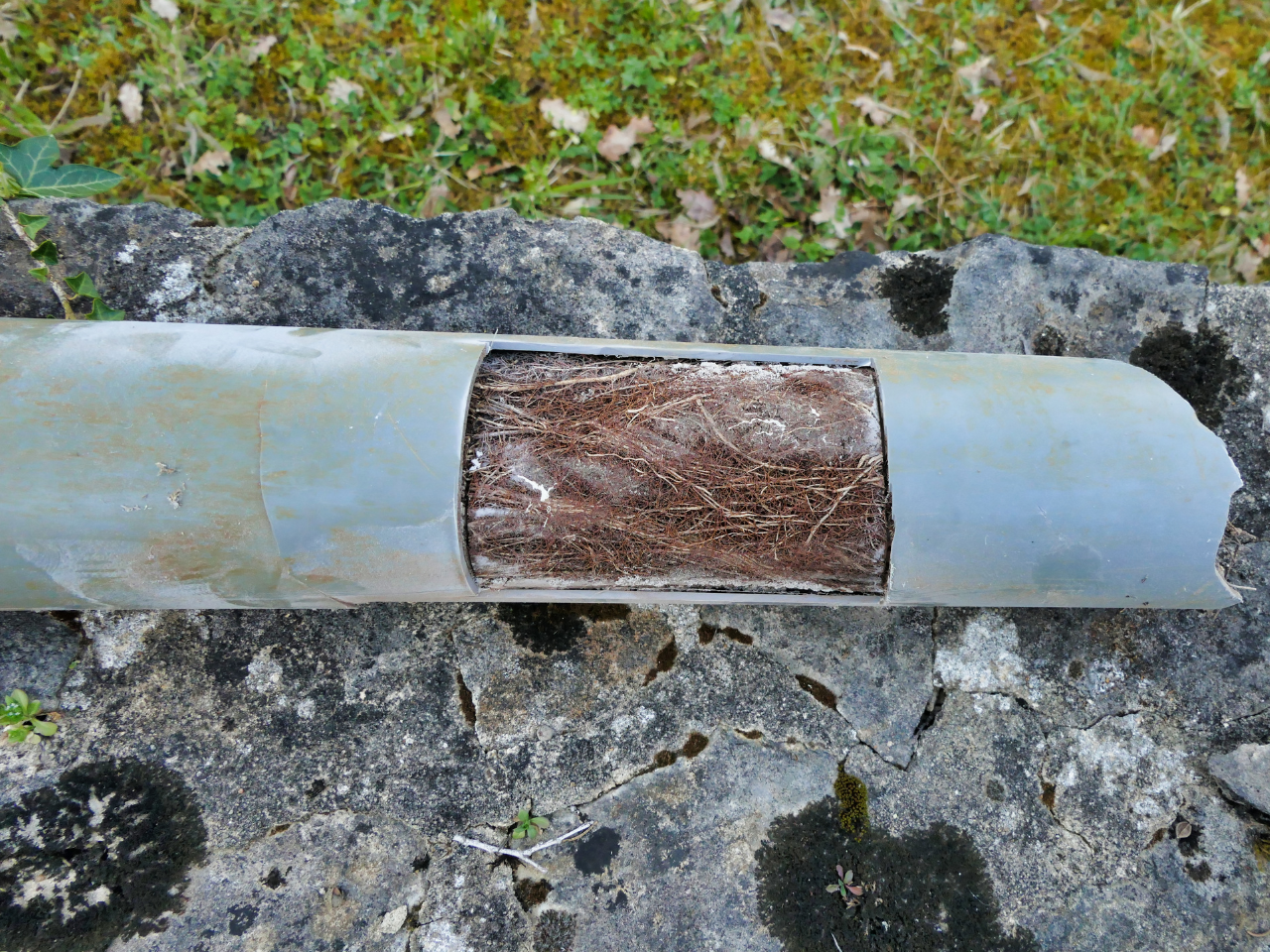
Tree roots naturally seek out water and moisture underground. If there’s a hairline crack in your pipe or your pipe is damaged, tree roots will grow inside. This blocks your drain incredibly quickly. Tree root intrusion is particularly worth considering when a drain keeps blocking despite attempts to change household habits.
A one-off blockage after putting too much food or grease down the sink is different from a kitchen sink that blocks repeatedly over several months.
What Can I Try at Home to Unblock My Kitchen Sink Drain?
If the blockage appears to be isolated to your kitchen sink, there are several simple steps you can try.
Remove Visible Debris and Food Scraps
Start by checking the sink waste and strainer for any visible food particles and debris. Remove anything you can safely reach and clean the strainer before testing whether the water begins to drain normally.
If removing visible debris doesn't improve the drainage, the blockage may be further inside the pipe.
Try a Plunger
A plunger can sometimes dislodge a localised blockage by creating pressure within the waste pipe. Place the plunger over the drain and create a good seal before using controlled plunging movements.
If you have a double kitchen sink, cover the second drain while plunging the affected side. This helps create pressure within the pipe rather than allowing air to escape through the other sink.
If plunging only provides temporary relief and the sink blocks again, there may be a more persistent restriction further down the drainage line.
Be Careful With Boiling Water
Boiling water is often recommended online as a way to dissolve grease in a kitchen drain. However, it isn't a one-size-fits-all solution. Very hot water may not reach or remove an established blockage further down the drainage system. It also won't resolve problems such as tree root intrusion, damaged pipes or a collapsed section of drainage pipe.
If you're unsure what is causing the blockage, avoid repeatedly pouring boiling water or other substances down the sink in an attempt to force the blockage through.
Why Chemical Drain Cleaners Aren't Always the Best Solution
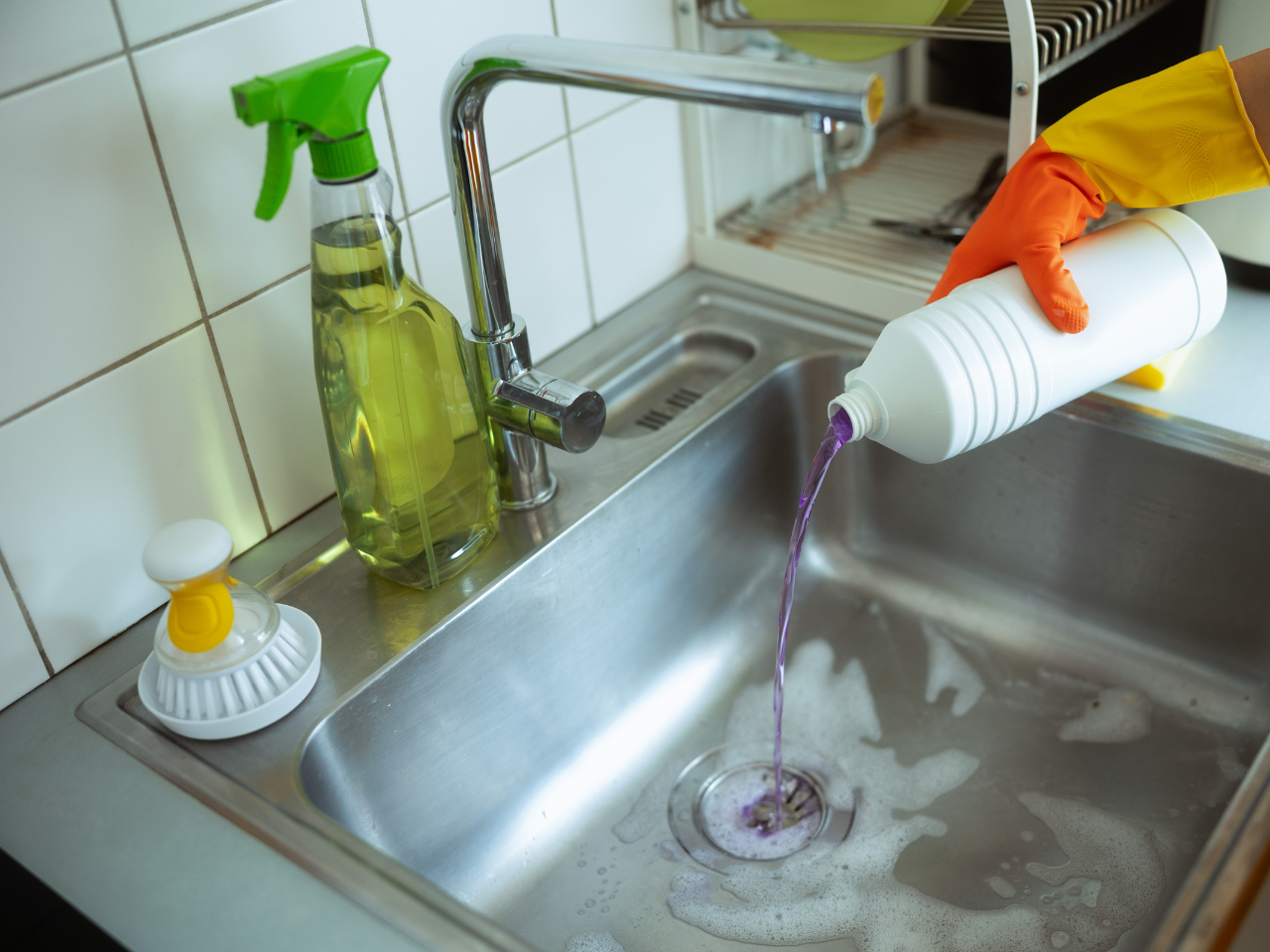
Chemical drain cleaners seem like a quick solution for a blocked kitchen sink, but they don't identify the cause of the blockage.
They may have an effect on certain types of organic build-up, but they won't repair a cracked pipe, remove tree roots or correct a drainage problem caused by damaged or poorly aligned pipework. They can also provide a false sense of security. If the chemical product creates a small opening through the blockage, water may begin flowing again without the underlying restriction being removed.
To get to the root of the problem, our plumber needs to see exactly what’s going on inside your pipe. This is where we use methods like CCTV drain cameras and inspections.
How Can I Prevent My Kitchen Sink From Clogging?
The best way to reduce kitchen drain blockages is to prevent grease, food waste and other debris from entering the drainage system in the first place.
Don't Pour Grease or Cooking Oil Down the Sink
Allow leftover cooking oil and grease to cool before disposing of it properly.
Wiping greasy pans and cookware with a paper towel before washing can also reduce the amount of grease entering your kitchen drain.
Use a Sink Strainer
A sink strainer catches larger food particles before they enter the waste pipe. Empty the strainer into the bin rather than washing the collected food down the drain.
Scrape Plates Before Washing
Remove leftover food from plates, pots and pans before washing them in the sink. Even small amounts of food can accumulate over time, particularly when they become caught in existing grease build-up.
Don't Put Coffee Grounds Down the Drain
Coffee grounds don't dissolve in water and can build up inside drainage pipes.
Dispose of coffee grounds in your rubbish or compost bin instead of washing them down the sink.
Pay Attention to Slow Drainage
A kitchen sink that is gradually becoming slower is giving you an early warning that something may be restricting the pipe.
Don't wait until the sink is completely blocked before investigating a recurring drainage problem.
When Should I Call a Professional Plumber?
A blocked kitchen sink isn't always a serious plumbing emergency, but some symptoms suggest that the problem could be further down your drainage system.
It's worth getting professional help if:
- Your kitchen sink won't drain at all
- The blockage keeps returning
- Plunging only provides temporary relief
- The sink remains slow after cleaning the trap
- Multiple fixtures are draining slowly
- You hear persistent gurgling or bubbling
- Wastewater backs up into another fixture
- You notice persistent sewage smells
- You suspect tree roots have entered the drainage pipe
Our plumbers can investigate the blockage rather than simply treating the symptoms. Depending on the situation, this may involve drain cleaning equipment or a CCTV drain camera inspection to identify the location and cause of the obstruction.
Bayside Plumbing also specialises in emergency plumbing, hot water systems , gas plumbing & more! If you’re having trouble with blocked kitchen sink drains, we are here to help!
Check out our other helpful guides, like our tips on how to change a tap washer or our breakdown of the average cost of a kitchen renovation in Australia.